
What Happens Before You Actually Start
Most people jump straight into business decisions without understanding what they're really signing up for. That's where things get messy.
We've watched enough business owners figure this out the hard way. So here's what actually needs to happen first—before contracts, before commitments, before anything else that'll cost you time or money.
Think of this as the conversation you'd have with someone who's been through it already and wants to save you from the avoidable mistakes.

Three Things That Matter More Than You Think
We've narrowed it down. Skip any of these and you'll probably regret it later.
Know What You're Actually Solving
Sounds basic, but half the businesses we talk to can't articulate their actual problem clearly. They know something's wrong—cashflow's tight, growth stalled, team's overwhelmed—but they haven't dug into the why.
Spend real time here. Write it down. Talk it through with someone who'll challenge your assumptions.
Understand Your Numbers
Not just revenue. We're talking about what it costs you to operate each week, where money leaks, what margin you're actually working with. And no, guessing doesn't count.
You don't need an accounting degree, but you do need to know where you stand today before planning where you want to go tomorrow.
Be Honest About Capacity
Time, money, mental bandwidth—whatever new direction you're considering will require all three. If you're already stretched thin or running on fumes, that's not the time to pile on another initiative.
Sometimes the smartest move is clearing space first, then building from there.
A Recent Example
Spoke with a café owner in Parramatta last month. She wanted help with marketing but couldn't tell us who her ideal customer actually was. Turns out she was trying to serve everyone—office workers at lunch, families on weekends, students after school.
We spent two weeks just observing patterns, talking to her regulars, looking at transaction data. Once she saw that her most profitable segment was the office crowd willing to pay for quality coffee and quick service, everything else got easier.
Marketing came after. First, she needed clarity on what she was building toward.
Who You'll Be Working With
We're not interested in being consultants who parachute in with a deck and disappear. These are the people who actually do the work alongside you.

Henrik Bergström
Operations Specialist
Spent twelve years fixing broken systems in mid-sized manufacturing before moving into service businesses. Henrik's the one who'll tell you when your process is unnecessarily complicated—and then help you simplify it without breaking what's working.
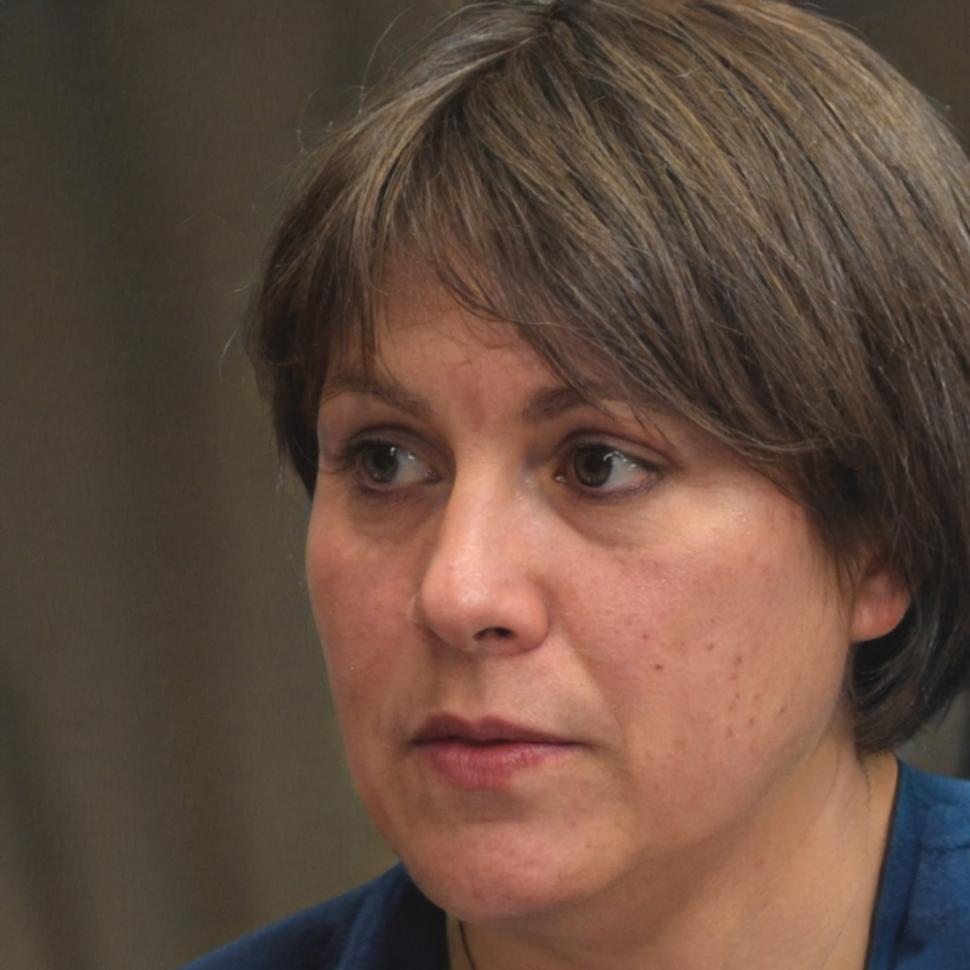
Siobhan Quirke
Financial Planning
Siobhan worked in corporate finance long enough to get good at reading numbers, then left to help smaller businesses actually understand theirs. She's brilliant at translating financial reports into plain language and spotting patterns most people miss.

Amara Okafor
Strategy & Growth
Amara built and sold her own business before joining us in early 2024. She gets what it's like to be the one making decisions with incomplete information and too many competing priorities. That perspective shapes how she approaches every client conversation.
How We Structure the First Conversations
Nothing formal. Just practical discussions that help both of us figure out if there's a fit worth pursuing.
Initial Assessment
Usually takes about an hour. We ask a lot of questions. You talk through what's happening in your business, what's working, what isn't. We're listening for patterns and trying to understand context.
No presentations or sales pitches. Just conversation.
Data Review
If things make sense after that first chat, we'll ask for access to some numbers—financial statements, operational reports, whatever you have. We need to see the actual situation before proposing anything specific.
Everything's confidential. We sign agreements before looking at anything sensitive.
Honest Feedback
Once we've reviewed everything, we'll tell you what we see. Sometimes that means identifying problems you already suspected. Sometimes it means pointing out things you hadn't considered.
We'll also tell you if we don't think we're the right fit. Saves everyone time.
Realistic Planning
If we decide to work together, we map out what needs to happen and in what order. Priorities get set based on what'll have the most impact given your current constraints.
Timelines are realistic. We're not interested in overpromising and underdelivering.
Ready to Start That First Conversation?
We're booking initial assessments for late September through October 2025. No obligation, no pressure—just an honest discussion about where your business is and where it could go.
Get In Touch